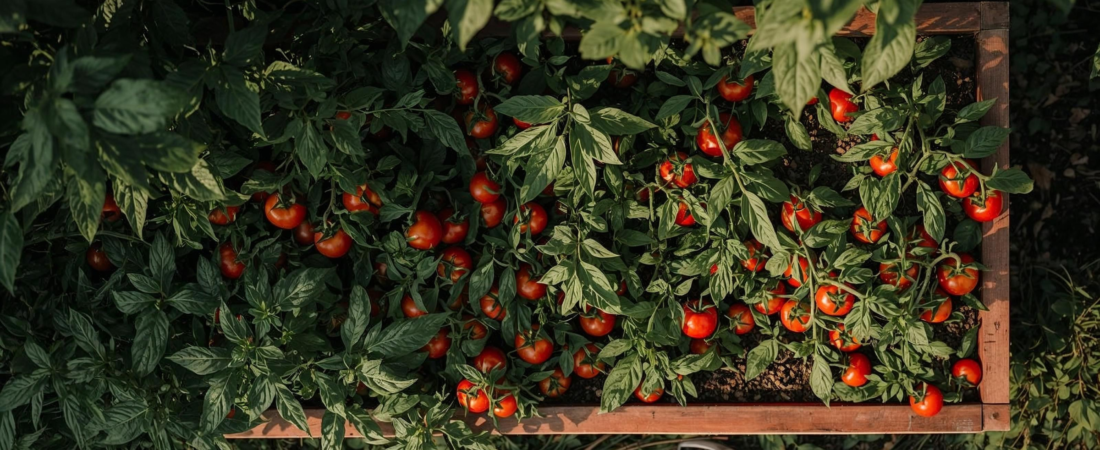
I didn’t start gardening because I wanted to be “a gardener.”
I started because I wanted tomatoes that didn’t taste like water and a reason to be outside that didn’t involve scrolling my phone. Gardening felt like something slower. More grounding. Something I could do with my hands and see real results from.
Raised beds felt like the obvious answer. Clean. Organized. Beginner-friendly. Everything I read made them sound almost foolproof.
Well..they weren’t.
Not because raised beds are difficult, but because there are a lot of small, expensive mistakes that don’t show up right away. Plants don’t give feedback in the moment. They don’t tell you what went wrong. They just struggle quietly, and by the time it’s obvious, the season is already moving on.
If I were starting over today, I’d still choose raised beds. I wouldn’t hesitate. But I’d do a lot of things differently. This post is exactly what I wish I had read before I spent money, hauled soil, and learned lessons the slow and expensive way.
Why Raised Beds Were Still the Right Choice
Raised beds aren’t a trend. They’re practical.
They made gardening feel manageable instead of overwhelming. There was structure. Clear boundaries. A sense that things had a place instead of being scattered and chaotic.
Here’s what worked immediately:
- Better drainage than in-ground soil
- Fewer weeds to battle
- Less bending and kneeling
- More control over what went into the soil
- A cleaner, more intentional layout
Raised beds were especially helpful because the native soil wasn’t ideal and the space wasn’t unlimited. Having defined beds made it easier to stay consistent instead of giving up halfway through the season.
That said, raised beds don’t fix everything. They just give a cleaner starting point. What happens inside them matters far more than the beds themselves.
What I Got Wrong the First Time (And Why It Actually Mattered)
Most gardening guides focus on success stories. This is the part that actually mattered.
These weren’t dramatic failures. They were quiet miscalculations that added up over time.
1. I Completely Underestimated How Much Soil I’d Need
This was the biggest mistake. No question.
Measurements were taken. The math was done. The order still came up short. Not by a little either. Enough that a second delivery was unavoidable.
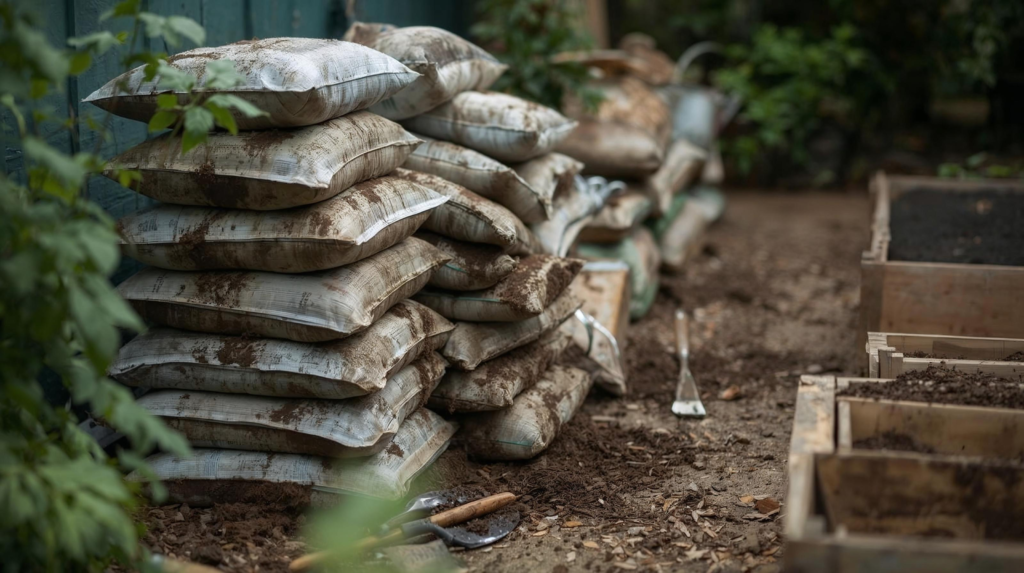
Bagged soil adds up fast. Financially and physically. Pallets dropped in the driveway. Dozens of bags. A lot of lifting. And the realization, halfway through, that this probably wasn’t the smartest way to do it.
What I know now is simple. For larger raised beds, buying soil in bags is convenient, but it’s rarely cost-effective.
If I were doing it again, I would buy soil from a local landscaper or bulk supplier from the start.
Buying in bulk:
- Costs significantly less per cubic yard
- Fills beds quickly
- Reduces plastic waste
- Saves a lot of physical effort
When pricing things out, the comparison is clear:
- bulk garden soil from a local supplier
- versus palletized bagged raised bed soil
For anything beyond a small setup, bulk soil wins almost every time.
2. I Didn’t Account for How Much Soil Would Settle
This was the lesson that showed up months later. When the beds were first filled, they looked perfect. Full. Level. Ready.
They didn’t stay that way.
To save on soil, the bottom was layered with leaves, branches, and other organic material. That part worked. What wasn’t anticipated was just how much everything would break down and compact over time.
By mid-season, the soil level had noticeably dropped. By the following spring, some beds were several inches lower than when they were first filled.
What I know now is that this isn’t a mistake. It’s biology doing its job.
If I were starting again, I would actually use more organic filler, not less. The difference would be expectation.
That means:
- Overfilling beds from the start
- Planning to top them off each season
- Keeping extra compost on hand
Soil settling isn’t failure. It’s the system working.
3. I Treated “Raised Bed Soil” Like a One-Time Purchase
This one feels obvious in hindsight.
Once the beds were filled, it felt finished. Soil was soil. The assumption was that it would last.
Raised beds don’t work that way.
Nutrients get used up faster than they do in in-ground gardens. Plants grew, but growth slowed earlier than expected. Production plateaued.
What I know now is that soil is not static. It’s something that needs to be maintained.
That includes:
- Mixing in fresh compost each season
- Using organic fertilizers when growth stalls
- Paying attention to plant behavior instead of soil appearance
Healthy soil changes constantly. Treating it like a living system made everything else easier.
4. I Didn’t Budget for Ongoing Soil Costs
The initial budget covered beds, soil, plants, and seeds. What it didn’t include was maintenance.
There were no expectations set for:
- Topping off soil
- Compost refills
- Amendments
Raised beds are efficient, but they are not “set it and forget it.”
If I were planning again, I’d assume small, recurring soil costs instead of one large upfront expense. Even simple systems like a compost tumbler or a basic compost bin make a noticeable difference over time.
5. I Thought a Full Bed Meant a Finished Bed
This was more of a mindset shift than a technical one.
Once the beds were full, it felt like the work was done. But raised beds change every season. Soil settles. Organic matter breaks down. Roots shift things around.
That doesn’t mean something went wrong. It means things are functioning as they should.
Now, each season starts the same way:
- Soil levels get checked
- Low spots get topped off
- Compost gets refreshed
- Planting depth gets adjusted
This rhythm is part of raised bed gardening. Fighting it only leads to frustration.
Choosing Raised Beds That Actually Work Long Term
Not all raised beds are equal, and this has nothing to do with aesthetics.
Size Matters More Than Material
Small beds fill up fast and limit what can be grown. Larger beds allow more flexibility and better spacing.
A few sizes that consistently make sense:
Depth matters more than expected. It affects root development, moisture retention, and long-term soil health.
Material Considerations
Each option has trade-offs:
- Cedar resists rot and lasts longer
- Metal heats quickly but drains well
- Composite beds are low maintenance
If buying pre-made, it’s worth looking for:
- raised garden bed kits
- Solid corner construction
- Built-in drainage
Untreated softwood works, but replacement will come sooner rather than later.
What I’d Actually Plant If I Were Starting Again
This is where confidence is either built or lost.
The focus would be on plants that want to grow, not the ones that require constant attention.
Plants That Consistently Perform Well
These proved forgiving and productive:
- Tomatoes
- Peppers
- Zucchini
- Lettuce
- Green beans
- Basil
They tolerate minor mistakes and still produce. That matters early on.
What I’d Skip at First
Not because they’re impossible, but because they’re discouraging:
- Cauliflower
- Celery
- Artichokes
There’s plenty of time for those later. Momentum matters more in the beginning.
Starting with quality vegetable seeds makes a bigger difference than expected.
A Simple Raised Bed Setup (With Realistic Expectations)
If everything could be reset, this is exactly how the beds would be built now.
- Choose the sunniest available spot
- Assemble and level the beds carefully
- Lay cardboard or landscape fabric underneath
- Fill the bottom generously with leaves, branches, and organic material
- Overfill with a quality soil mix, knowing it will settle
That soil mix would include:
- raised bed soil
- compost
- something for aeration, like vermiculite or perlite
Watering would be installed before planting. Whether that’s hoses, soaker hoses, or drip lines, watering works best when it’s planned, not reactive.
Plants would be spaced realistically. Not optimistically. Mulch would go on last, and then the beds would be left alone to do their thing.
No constant adjusting. No micromanaging.
The Mindset Shift That Changed Everything
The first garden isn’t about abundance. It’s about observation.
Plants will fail. Some will thrive for no obvious reason. Weather will surprise things. Something important will get forgotten.
None of that means anything went wrong.
Raised bed gardening works best when attention replaces control. Patterns start to show. Adjustments become easier. Confidence builds naturally.
That’s how gardeners are made.
What Still Matters Most
This was the post I needed when I started. Everything else came later. Fancy tools were never the answer. Neither was perfection.
What mattered was:
- Decent soil
- Enough sunlight
- A few reliable plants
- Willingness to learn season by season
Starting smaller made everything easier. Confidence came before complexity.
Raised beds didn’t make the gardener. Consistency did.
*Some links in this post are affiliate links, which means I may earn a small commission if you choose to purchase through them. I only share tools and supplies I personally use or genuinely find helpful. Some links in this post are affiliate links, which means I may earn a small commission if you choose to purchase through them. I only share tools and supplies I personally use or genuinely find helpful.