Planning a garden can feel just as overwhelming as actually starting one. There are seed catalogs, planting charts, zone maps, and endless advice telling you to start now, start earlier, start bigger. It’s a lot to take in, especially if this is your first time gardening.
If you’re already feeling behind before you’ve even planted anything, this is your reminder that gardening doesn’t have to be rushed or complicated. Planning your garden can be simple, flexible, and calm — and it should feel supportive, not stressful.
Start With What You Want, Not What You “Should” Grow
Before thinking about layouts, schedules, or planting dates, pause and ask yourself one honest question:
What do I actually want from this garden?
Not what you should grow. Not what looks good online. Just what feels right for you.
Maybe you want:
- a few fresh herbs for cooking
- easy vegetables you already enjoy eating
- flowers that make your space feel peaceful
- a slow outdoor routine you can return to
There is no wrong answer here. A garden doesn’t need to be productive to be meaningful. When you start with your own goals instead of outside expectations, planning becomes much easier.
Choose a Small, Manageable Space
One of the biggest causes of overwhelm is trying to plan too much at once. A large garden requires more soil, more watering, more plants to monitor, and more decisions every day.
Instead of planning everything, choose one manageable space:
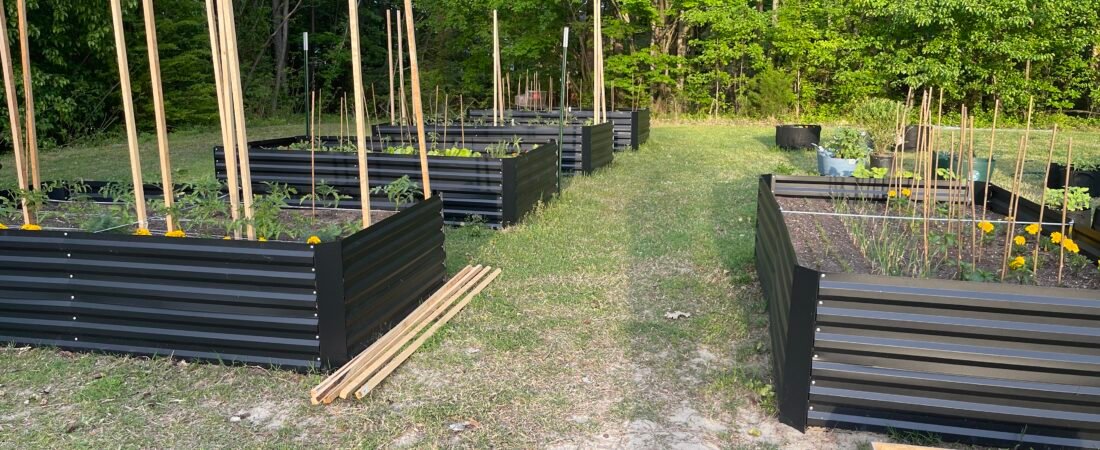
- a single raised bed
- a few containers on a patio or balcony
- one sunny section of your yard
A small garden allows you to learn without pressure. You’ll notice what works, what doesn’t, and what you actually enjoy. You can always expand later.
Plan Fewer Plants Than You Think You Need
It’s easy to over-plan when you’re excited. Seed catalogs make everything look possible, and suddenly your simple garden turns into a long list of plants.
But fewer plants almost always lead to better results.
Start with:
- 3–5 types of plants total
- plants you already like to eat or see
- varieties known to be beginner-friendly
This keeps your garden easier to water, easier to observe, and easier to adjust as you learn. A small, focused plan helps you build confidence instead of feeling stretched thin.
Pay Attention to Your Space Before Planning
Before finalizing anything, spend a few days observing your space. Notice:
- how many hours of sunlight it gets
- which areas stay damp longer
- where water tends to collect or drain quickly
You don’t need exact measurements. Simple observation helps you choose plants that naturally fit your environment, which makes everything easier later.
Use Simple Planning Tools
You don’t need a complicated system to plan your garden. Simple tools work just fine:
- a notebook
- a basic garden planner
- a printed planting guide
Write down what you want to grow, where you plan to place it, and roughly when you’ll plant. That’s enough. Gardening plans are allowed to change, and they usually do.
Let Go of the “Perfect Timing” Mindset
There’s a lot of pressure to plant at exactly the right time. While timing does matter, perfection does not.
Plants are more forgiving than we think. Some will thrive. Some won’t. Both outcomes teach you something valuable. A slightly late start or an imperfect plan is still better than not starting at all.
Build Flexibility Into Your Plan
One of the most helpful mindset shifts is remembering that a garden plan is not a contract. It’s a starting point.
You’re allowed to:
- change your mind
- move plants
- try something new mid-season
- let something go
Gardening becomes more enjoyable when planning feels supportive instead of restrictive.
Planning Is Part of the Learning Process
Your first plan doesn’t need to be perfect because it won’t be your last. Each season teaches you something:
- what grows well in your space
- how much time you realistically have
- which plants you enjoy caring for
Planning becomes easier and more intuitive over time. The goal isn’t to get it right immediately — it’s to keep learning gently.
A Calm Garden Starts With a Calm Plan
You don’t need to plan everything today. You don’t need to have all the answers. You just need a starting point that feels doable.
Plan small. Choose what matters to you. Let the rest unfold naturally.
That’s how a garden grows — slowly, imperfectly, and exactly the way it should.
*Some links in this post are affiliate links, which means I may earn a small commission if you choose to purchase through them. I only share tools and supplies I personally use or genuinely find helpful. Some links in this post are affiliate links, which means I may earn a small commission if you choose to purchase through them. I only share tools and supplies I personally use or genuinely find helpful.