Let me guess.
You started this season feeling excited. Maybe even hopeful.
You saved a few posts. Bought a couple seed packets. Told yourself this is the year.
And now… you’re sitting there wondering why something that’s supposed to be calming suddenly feels kind of stressful.
If that’s you, you’re not alone. At all.
Garden overwhelm usually shows up before anything is even planted. Not because you’re doing something wrong, but because there’s so much information coming at you all at once.
This post isn’t here to hype you up or tell you to “just get started.”
It’s here to slow things down, take the pressure off, and help you plan a garden that actually fits your real life.
Why This Feels Hard (Even Before You Start)
Most of us don’t feel overwhelmed because gardening is difficult.
We feel overwhelmed because we’re trying to do too much too fast.
We see beautiful gardens online.
We read advice that sounds confident but contradicts itself.
We’re told to start seeds early, but not too early.
To plant everything, but also not overcrowd.
To plan ahead, but stay flexible.
It’s a lot.
And when you’re standing there holding seed packets thinking, Okay… but where does any of this actually go?
That excitement turns into decision fatigue real quick.
Let’s Shrink the Plan (This Is Where Relief Starts)
I know everyone wants a big, abundant garden. I get it.
But if you’re overwhelmed right now, the plan is too big. Full stop.
That doesn’t mean you’re bad at gardening.
It just means you’re human.
Instead of asking, What can I grow? try asking:
What do I actually want to take care of?
You don’t need to grow everything this season.
You don’t need ten crops.
You don’t need variety just for the sake of it.
Pick three to five plants. That’s it.
A simple, low-stress lineup might look like:
- Tomatoes
- Peppers
- Greens (lettuce, spinach, something forgiving)
- Herbs
- One fun plant just because it makes you smile
That’s already more than enough to feel successful.
Plan for Your Actual Life
This matters more than soil mixes or fancy layouts.
Be honest with yourself:
- How often do I actually want to be outside maintaining this?
- Am I home consistently, or does life get busy?
- Do I want this to feel calming or hands-on?
- Do I want food, joy, or something pretty to look at?
If your schedule is unpredictable, your garden should reflect that.
A high-maintenance garden sounds fun… until it becomes another thing on the to-do list.
This is where simple planning tools help. Not to be perfect, but to make things easier later:
- A basic garden planner
- Monthly checklists
- A planting calendar for your region
These aren’t about being organized for the sake of it.
They’re about not having to think so hard every single day.
Please Measure Before You Buy Seeds (I Say This With Love)
This is your friendly but firm reminder.
If you haven’t measured your garden space yet, step away from the seed rack.
Seeds are cheap and exciting. Overcrowding is not.
Measuring takes ten minutes and saves you months of frustration.
Measure:
- Raised beds
- Containers
- In-ground space
Write the numbers down. Rough is fine.
Once you know your space, spacing charts stop feeling annoying and start feeling like a gift.
Pick One Garden Style and Commit
Trying to do raised beds, containers, in-ground planting, and vertical gardening all at once is a fast track to burnout.
You don’t need to master everything this season.
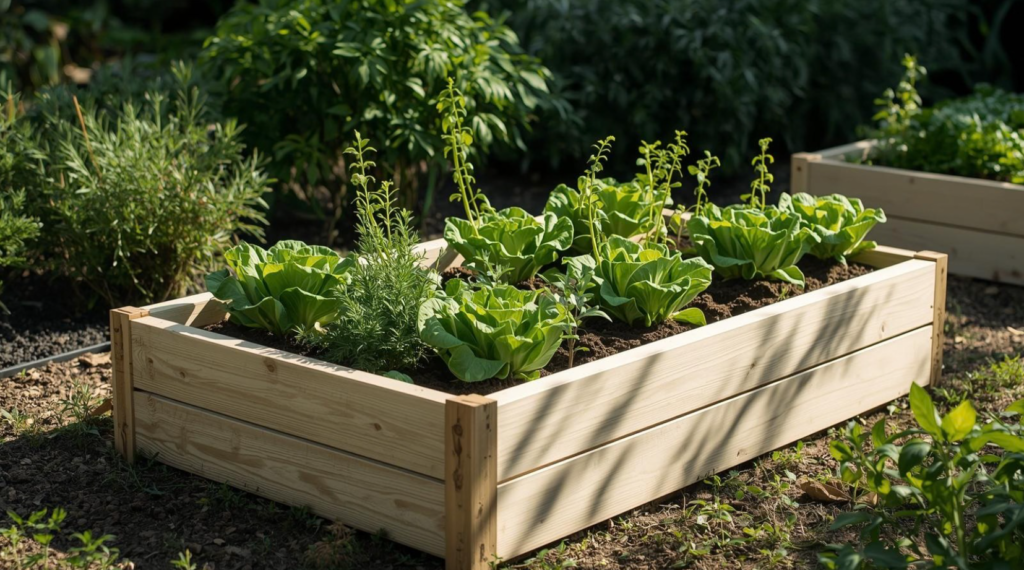
Pick one main setup:
- Raised beds
- Containers
- In-ground
Each has different watering and maintenance needs. Keeping it simple makes everything feel lighter.
If you’re newer, raised beds and containers tend to be the least stressful place to start.
Build a “Bare Minimum” Garden Plan
This mindset shift changes everything.
Instead of planning the perfect garden, plan the one you could manage even on a rough week.
Ask yourself:
- What absolutely needs to happen for plants to survive?
- What can I skip if I’m tired or busy?
- What does “good enough” actually look like?
Maybe your bare minimum is:
- Watering twice a week
- A quick daily check
- Harvesting once a week
Anything beyond that is bonus energy.
Gardens thrive on consistency, not intensity.
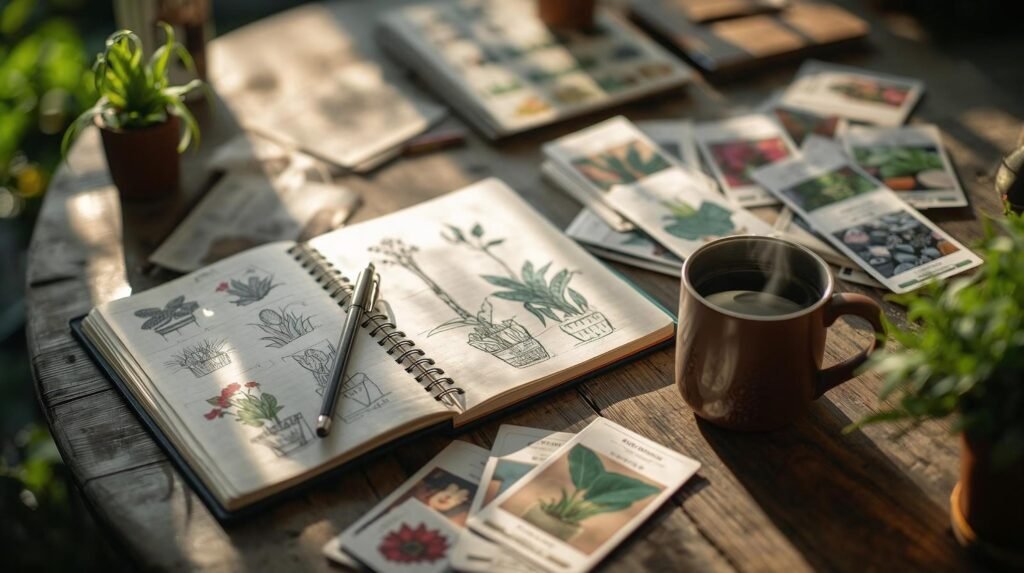
Get It Out of Your Head and Onto Paper
Trying to remember everything is exhausting.
What you planted where.
When to water.
When to fertilize.
What still needs to go in the ground.
Your brain deserves a break.
Write it down once so you don’t have to keep carrying it around.
Simple things help:
- Garden planners
- Plant labels
- Weatherproof markers
- Short task lists
Expect Things to Go Sideways (Because They Will)
Something won’t germinate.
Something will bolt.
Something will get eaten.
The weather will ignore your plans entirely.
This isn’t failure. This is gardening.
Planning for imperfection looks like:
- Leaving empty space
- Not planting everything at once
- Planting a few extras
- Letting yourself learn without judgment
Gardens are living things. They don’t follow scripts.
You Do Not Need Every Tool
More tools don’t make you a better gardener.
They usually just make your shed messier.
Start simple:
- Hand trowel
- Pruning shears
- Watering can or hose
- Comfortable gloves
Add tools when a real problem shows up. Not because someone online said you “need” them.
Treat Your First Season Like Practice, Not a Test
Your first season isn’t about getting everything right.
It’s about paying attention.
Notice:
- What grew easily
- What struggled
- What you enjoyed
- What felt like work
That information is gold. It’s how confident gardeners are made.
Let’s Redefine Success
Success is not:
- A flawless garden
- A packed pantry
- Zero mistakes
Success is:
- Feeling calmer instead of stressed
- Showing up consistently
- Learning something new
- Wanting to do it again next year
If your garden makes you feel grounded instead of guilty, you did it right.
One Last Thing
You’re allowed to start small.
You’re allowed to grow fewer things.
You’re allowed to leave space.
You’re allowed to change your mind.
Gardening isn’t a competition. It’s a relationship.
And it gets a lot better when you stop forcing it.
Plan less.
Breathe more.
Let the season unfold.
*Some links in this post are affiliate links, which means I may earn a small commission if you choose to purchase through them. I only share tools and supplies I personally use or genuinely find helpful. Some links in this post are affiliate links, which means I may earn a small commission if you choose to purchase through them. I only share tools and supplies I personally use or genuinely find helpful.