January can be a strange month for gardeners, especially beginners. The garden is quiet. The beds are empty. The ground may be frozen or muddy. And yet, everywhere you look online, it feels like everyone else is already planning, planting, and somehow ahead.
If you’re standing in your garden in January wondering what you’re supposed to be doing, you’re not alone. And you’re not behind.
January is not a month for visible growth. It’s a month for gentle preparation, observation, and letting go of pressure. What you do now sets the tone for the rest of the season, but it doesn’t need to be rushed or overwhelming.
Start by Letting Go of the “I Should Be Doing More” Feeling
One of the hardest parts of January gardening is mental, not physical. There’s a constant sense that you should be doing something, even when the weather and season clearly say otherwise.
January is a resting month for the garden. Most plants are dormant. The soil is recovering. Nature has slowed down, and that’s intentional.
You don’t need to force productivity where it doesn’t belong. Gardening isn’t about constant action. It’s about timing, patience, and working with the season instead of against it.
Observe Your Garden Without Trying to Fix It
January is a great time to simply notice things.
Take a walk through your space and pay attention to:
- where water pools after rain
- which areas stay shaded longer
- how sunlight moves across your yard
- which containers or beds held moisture too long
You don’t need to write everything down or make immediate changes. Just noticing now makes planning easier later.
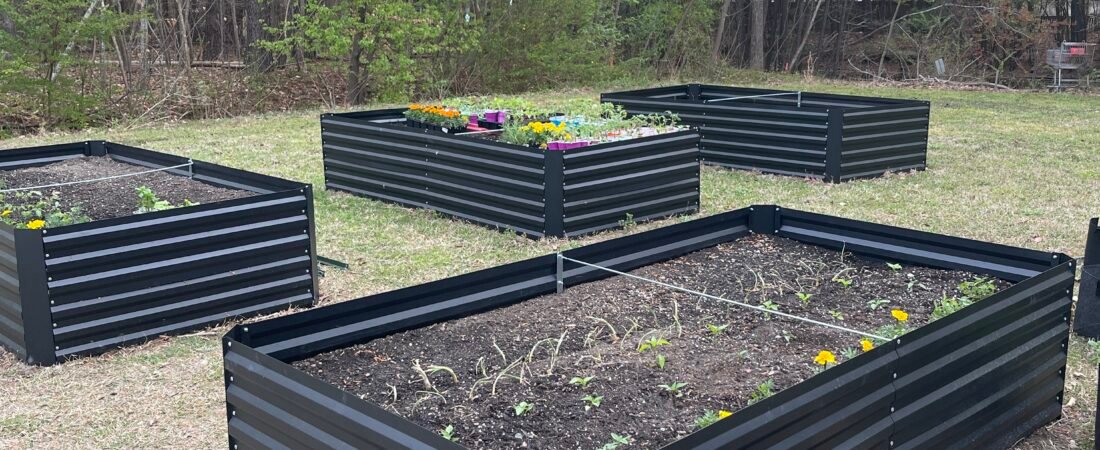
If you garden in containers or raised beds, this is also a good time to check their condition. Are they cracked, warped, or still sturdy? Do they drain well? These small observations help you avoid problems during the busy months.
Take Inventory Before Buying Anything New
January is when the temptation to buy everything hits hard. Seed catalogs arrive. Online ads start showing grow lights, trays, tools, and kits promising a perfect season.
Before adding anything to your cart, take inventory of what you already have.
Ask yourself:
- Do I already own containers or pots that can be reused?
- Are there leftover seeds from last year?
- Are my tools still usable, even if they’re not pretty?
Often, you already have more than enough to get started. January is a great month to save money and simplify before the season ramps up. You don’t need special tools to plan a garden, but a few simple items can make the process feel calmer and more organized, especially in January when everything feels abstract.
Things I’ve found genuinely helpful:
- A basic garden notebook or planner
- A pen you enjoy using
- A simple seed organizer or envelope system
None of these are required. They’re just tools that support clarity if planning feels overwhelming. I keep the ones I personally use listed on my Favorites page for anyone who finds that helpful.
Clean and Reset at a Gentle Pace
You don’t need a full garden overhaul in January. Small resets are enough.
This might look like:
- emptying and refreshing soil in a few containers
- wiping down seed trays or pots
- organizing seeds into one box or envelope
- clearing broken or unusable items
Even short, low-effort tasks help your garden feel less chaotic when spring arrives. Think of this as setting the stage, not finishing the show.
Make a Simple Plan You Can Change Later
January planning doesn’t need to be detailed or permanent. In fact, flexible plans work better.
Instead of trying to plan everything, answer a few simple questions:
- What did I enjoy growing last year?
- What felt like too much work?
- What do I want to try again, or try for the first time?
From there, choose just a few plants to focus on. Fewer plants mean fewer decisions, less watering, and more room to learn.
A plan that leaves space for change is far more useful than a perfect plan that creates pressure.
Start Seeds Indoors Slowly (If You Want To)
January is often when seed starting anxiety begins. It can feel like everyone else has already started trays of seedlings under grow lights.
Here’s the truth: not everything needs to be started in January, and starting too much too early can create stress later.
If you want to start seeds indoors:
- choose one or two plants to begin with
- start small batches instead of everything at once
- give yourself time to see how they grow
There is no reward for starting the most seeds. Strong, manageable plants are better than trays full of seedlings that become overwhelming to care for. If you decide to start seeds indoors in January, keeping it simple matters more than having the perfect setup.
You don’t need a full system. The basics are enough:
- Seed trays or small containers with drainage
- A lightweight seed-starting soil
- A simple grow light or bright window
- Something to label what you plant
Starting with fewer supplies makes seed starting more manageable and less stressful. I share the exact items I’ve used successfully on my Favorites page for anyone who wants a reference point.
Learn a Little, Not Everything
January is a good time to learn, but it’s also easy to overconsume information.
Instead of reading everything, choose one or two reliable resources. Focus on what’s relevant to your space, your climate, and your goals.
You don’t need to memorize charts or master every technique. Gardening knowledge builds naturally through experience.
Accept That Gardening Work Isn’t Always Visible
One of the most important things to remember in January is that gardening still counts, even when nothing is growing.
Planning, observing, organizing, and resting are all part of the process. The work you do now may not look productive, but it creates a calmer, more enjoyable season later.
January gardening is quiet by design. Let it be.
What You Can Skip Buying in January
January is often when beginners feel pressure to buy everything at once. Most of the time, that leads to clutter instead of confidence.
You can skip:
- Large tool sets
- Complex irrigation systems
- Specialty fertilizers
- Anything you don’t understand yet
Most gardening problems come from doing too much, not too little. Starting with fewer tools keeps your garden simpler and more enjoyable.
I’ve gathered the planning tools, seed-starting supplies, and garden basics I personally use in one place on my Favorites page, if that’s helpful as you plan your season.
A Gentle January Reminder
You don’t need to catch up.
You don’t need to rush.
You don’t need to do everything right.
Use January to set a tone that feels sustainable. A calm season starts with calm expectations.
Growth will come. For now, it’s enough to prepare gently and let the rest unfold when the time is right.
*Some links in this post are affiliate links, which means I may earn a small commission if you choose to purchase through them. I only share tools and supplies I personally use or genuinely find helpful. Some links in this post are affiliate links, which means I may earn a small commission if you choose to purchase through them. I only share tools and supplies I personally use or genuinely find helpful.