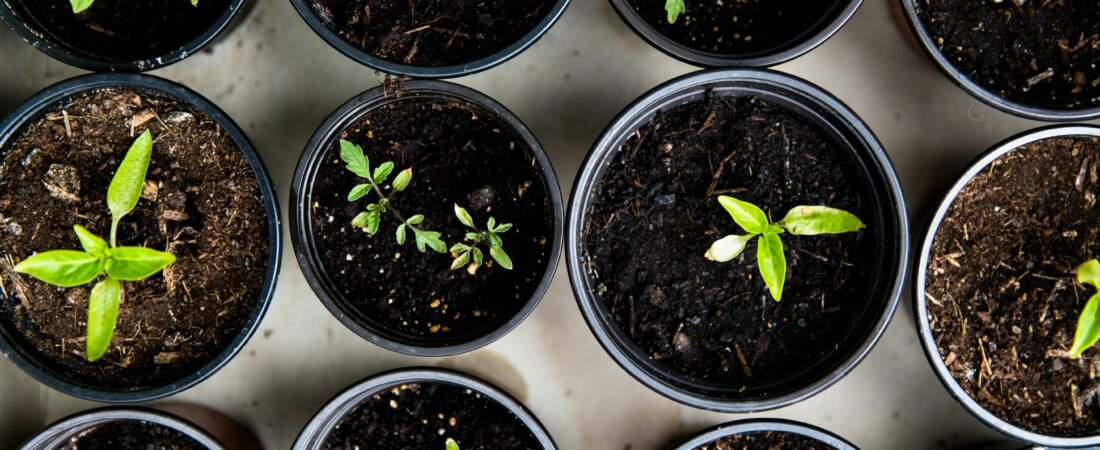
When I first started gardening, it wasn’t because I felt confident or prepared. It was more like standing in the yard, looking at the space I had, and feeling unsure where to begin. There was so much information online that it almost made gardening feel harder than it needed to be.
Raised beds, soil types, seed packets, planting dates. Everyone seemed to know exactly what they were doing, and I didn’t. What helped most wasn’t finding the “perfect” method, but paying attention to what actually worked as I went. This beginner gardening guide is built from that experience. Not theory. Just what I did when I started, what stuck, and what made gardening feel manageable instead of overwhelming.
What Gardening Looked Like in the Beginning
The first season wasn’t impressive. Some plants grew, others didn’t, and there were plenty of moments where I questioned whether I was doing anything right. But the garden slowly taught me how to slow down and observe instead of rushing to fix everything.
What made gardening worth continuing wasn’t instant success. It was noticing small changes. Leaves growing a little taller. Soil holding moisture better. A plant recovering after a rough week. Over time, gardening stopped feeling like something to master and started feeling like something to settle into.
Choosing a Garden Location That Made Sense
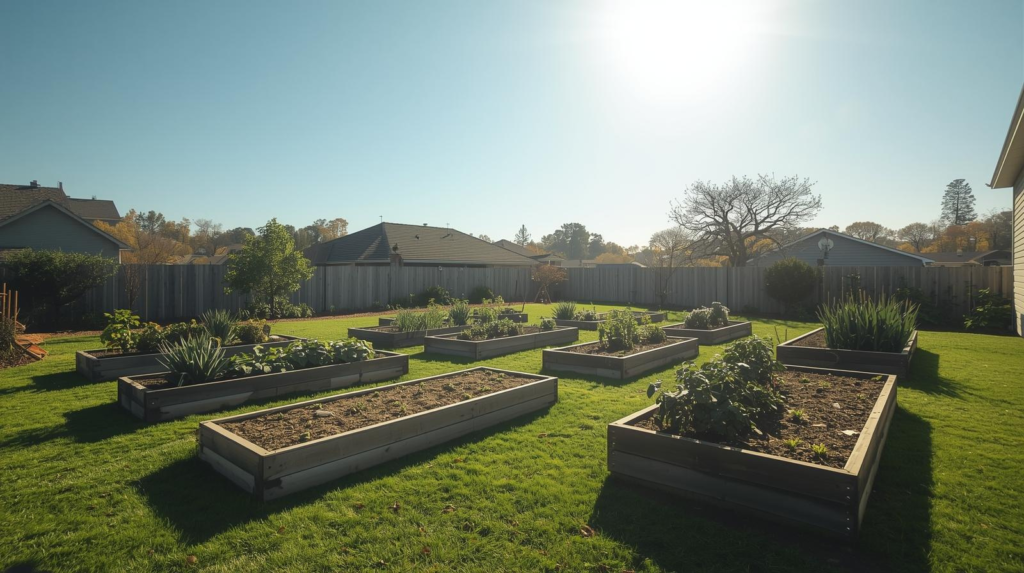
Before buying seeds or plants, the biggest decision was choosing where the garden would live. Sunlight ended up being the most important factor. Walking around the yard at different times of day made it clear which areas actually received consistent sun and which ones only looked sunny for a short window.
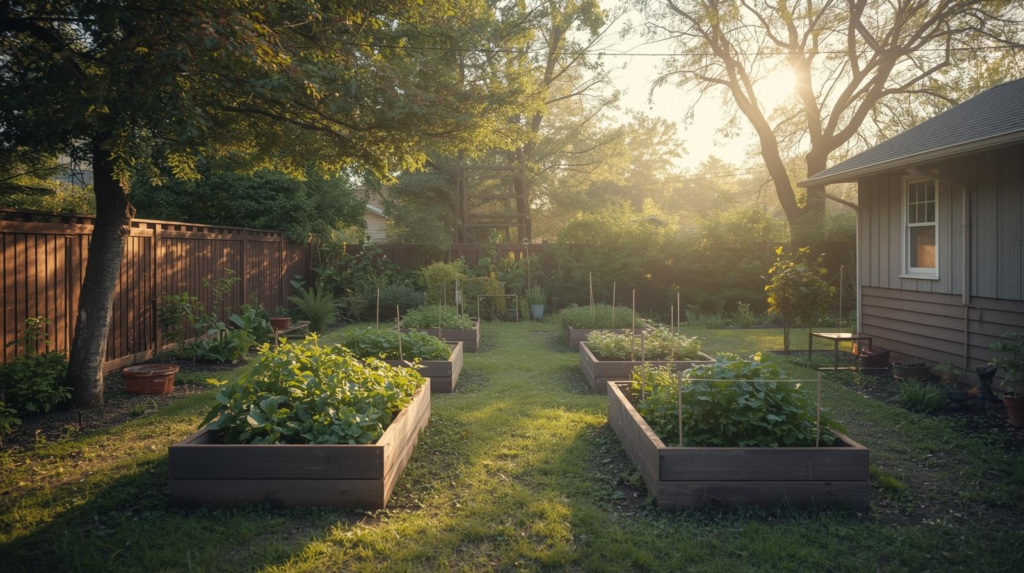
Some areas that seemed perfect at first didn’t get nearly as much light as expected. Others ended up being better than planned. Raised beds and containers felt like the easiest way to start. They offered more control and made working with the soil less intimidating, especially when the ground itself felt unpredictable.
Starting with a small, manageable space made the entire process feel lighter.
Learning About Soil Without Overcomplicating It
Soil was confusing at first. There were endless opinions on what to buy, what to mix, and what to avoid. What ended up working best was keeping it simple.
Using a good quality garden soil mix, loosening compacted areas, and adding compost when possible made a noticeable difference. Healthy soil made watering easier, supported steady plant growth, and reduced a lot of the stress that came with trying to “fix” struggling plants later.
The soil didn’t need to be perfect. It just needed to give plants a good foundation.
The Gardening Tools That Actually Got Used
It’s easy to think gardening requires a lot of tools. In reality, only a few were used regularly.
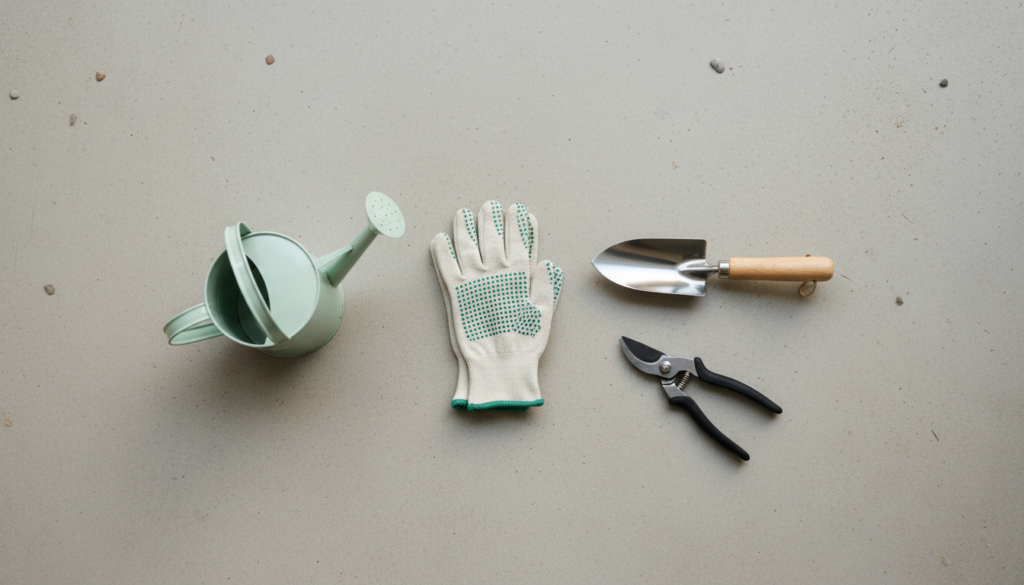
Gloves, a hand trowel, basic pruners or scissors, a watering can or hose, and something to write notes down covered almost everything. Keeping tools minimal made gardening feel approachable instead of like another project that needed managing.
Anything beyond that came later, once it was clear what was actually needed.
Planning What to Plant (and Why It Helped)
One of the biggest early lessons was that planning mattered more than enthusiasm. It was tempting to plant everything at once, but spacing and plant size quickly became important.
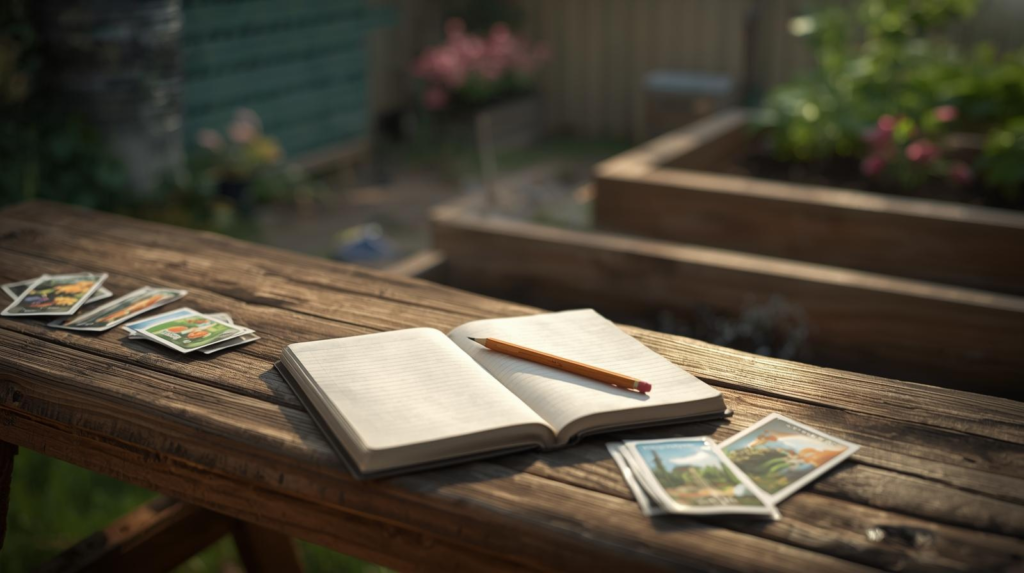
Overcrowding led to stressed plants and made harvesting harder than it needed to be. Writing things down helped, even if it was just a rough sketch of where plants would go. Fewer plants, spaced properly, consistently performed better than crowded beds.
Planning didn’t take the fun out of gardening. It made it more enjoyable.
What Planting Looked Like in Practice
Planting didn’t follow a strict system. It followed the weather and what felt manageable at the time.
Cool-season plants went in earlier. Warm-season plants waited until temperatures felt stable. Seeds were planted simply, without overthinking depth or technique. Transplants went into the soil at the same depth they were growing before.
After planting, everything was watered gently and left alone to settle. Growth happened on its own timeline.
How Garden Care Became Simpler Over Time
At the beginning, it was easy to think plants needed constant attention. Over time, care routines became simpler instead of more complicated.
Watering deeply instead of frequently reduced stress for both the plants and me. Mulching helped retain moisture and cut back on weeds. Compost and gentle fertilizers supported growth without overwhelming anything.
Pruning and harvesting became intuitive. Removing dead or unproductive growth helped plants focus energy where it mattered. Consistency mattered more than doing everything perfectly.
The Mistakes That Taught the Most
Some of the best lessons came from mistakes. Overwatering happened early on. Plants were crowded too close together. Sun patterns were misunderstood. Some seeds never sprouted at all.
Each mistake made the next season easier. Gardening stopped feeling like a pass-or-fail activity and started feeling like a process of small adjustments. Nothing was wasted. Every season offered something to learn.
What a Gardening Season Looks Like Now
Spring brings preparation. Soil gets refreshed, plans are sketched, and cool-season plants go in first.
Summer is about maintenance. Watering becomes intentional, harvesting becomes frequent, and the garden starts to feel full.
Fall is slower. Beds get cleaned up, compost gets added, and notes are made about what worked and what didn’t.
Winter is for planning. Tools get organized. Ideas take shape for the next season.
The garden follows the seasons, not the other way around.
Final Thoughts on Starting a Garden
Gardening didn’t become enjoyable because everything went right. It became enjoyable because it didn’t need to. Starting small, paying attention, and letting the garden evolve made the process feel calm instead of overwhelming.
Some plants thrive. Others don’t. Both outcomes are part of the experience. Gardening is less about control and more about learning what works over time.
There’s no finish line. Just growth, season after season.
*Some links in this post are affiliate links, which means I may earn a small commission if you choose to purchase through them. I only share tools and supplies I personally use or genuinely find helpful. Some links in this post are affiliate links, which means I may earn a small commission if you choose to purchase through them. I only share tools and supplies I personally use or genuinely find helpful.