How I Started (and What I Learned the Hard Way)
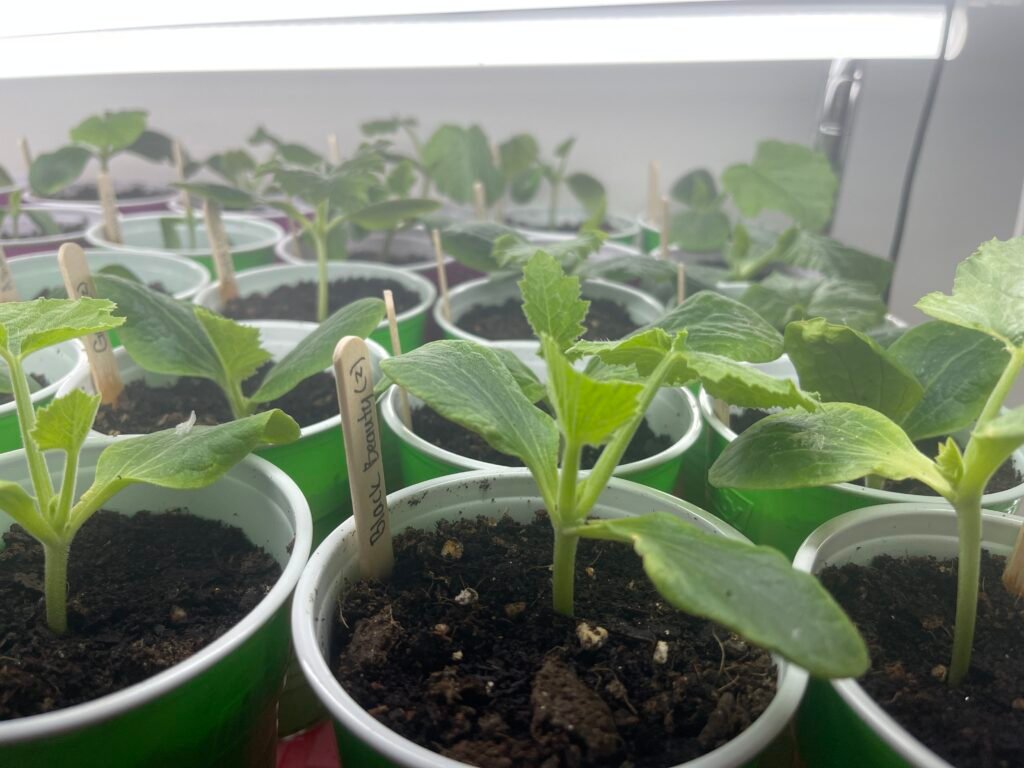
The very first thing I did when I decided to garden was start my seedlings indoors. I was excited and optimistic… and I planted way too many. Every seed sprouted, and instead of thinning them out and choosing only the strongest ones, I kept all of them alive. I didn’t have the heart to let any go.
I mixed my own seed-starting blend using coco coir, worm castings, vermiculite, and perlite. At the time, it felt like the “right” thing to do. I wanted to give every seed the best possible chance. And honestly? It worked. Everything grew.
What I didn’t realize yet was that keeping every seedling alive also meant more watering, more space, more light, and a lot more decision-making later on. That experience taught me an important lesson early: just because something can grow doesn’t always mean it needs to.
Starting seeds indoors can be incredibly rewarding, but it’s also okay to thin seedlings and let go of the ones that aren’t thriving. Gardening became much more enjoyable for me once I learned that choosing fewer, healthier plants made everything else easier. That experience shaped how I approach gardening now, including what tools I actually use and what I’ve learned to skip.
The Few Things I Actually Use (and Recommend)
1. Good Soil (This Matters More Than Anything)
Healthy plants start with healthy soil. A simple, all-purpose potting mix works perfectly for beginners, especially for containers and raised beds. You don’t need fancy amendments right away.
Look for soil that’s labeled for vegetables or containers and drains well. This is one place where spending a little extra is worth it.
2. Containers or a Small Raised Bed
You don’t need a big garden plot. Starting with containers or one raised bed keeps things manageable and easier to maintain.
Using five-gallon grow bags, simple pots with drainage holes, or a small raised bed kit are more than enough to begin. To start my seedlings, I used red solo cups because I’m thrifty and they worked just fine.
3. A Basic Watering Can or Hose
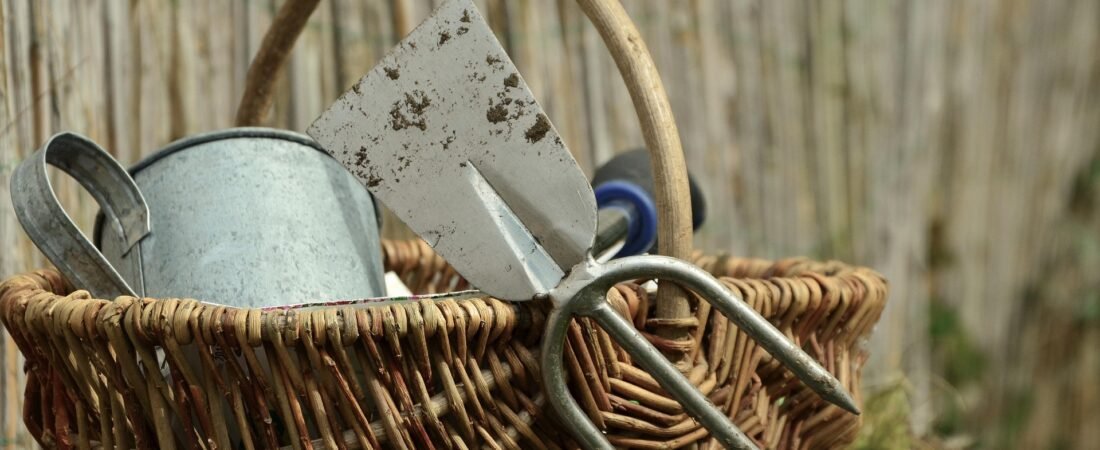
Nothing fancy here. Just something that makes watering easy and consistent. I prefer a watering can for containers because it helps avoid overwatering.
If you’re gardening outdoors, a hose with a gentle spray nozzle works well.
4. Gardening Gloves (Optional, but Nice)
You can garden without gloves, but having a pair makes the experience more comfortable, especially when handling soil or pulling weeds.
Choose something lightweight and flexible. They don’t need to be expensive.
5. Hand Trowel or Small Shovel
One simple hand tool is enough to start. You’ll use it for planting seedlings, digging small holes, and moving soil around.
That’s it. One tool.
Things You Can Skip (Especially at the Beginning)
Here’s what I didn’t need when I started, even though I thought I did:
- Large tool sets
- Expensive fertilizers
- Soil testing kits
- Complex irrigation systems
- Specialty sprays and treatments
Most beginner problems come from too much, not too little. More products don’t equal better results.
Gardening Doesn’t Have to Be Complicated
You can grow plants with very little. The most important things are time, attention, and willingness to learn as you go.
It’s okay to start simple. It’s okay to change your setup later. And it’s okay if something doesn’t work the first time.
Gardening is not about having the perfect supplies. It’s about creating a rhythm that fits your life.
If you’re just starting out, this is enough.
I’ve gathered the tools and supplies I personally use in one place on my Favorites page, if that’s helpful.
*Some links in this post are affiliate links, which means I may earn a small commission if you choose to purchase through them. I only share tools and supplies I personally use or genuinely find helpful.Some links in this post are affiliate links, which means I may earn a small commission if you choose to purchase through them. I only share tools and supplies I personally use or genuinely find helpful.